The Global Information Hub for PVD coloured stainless steel
FAQs
-
Are any chemicals used in the making of PVD?
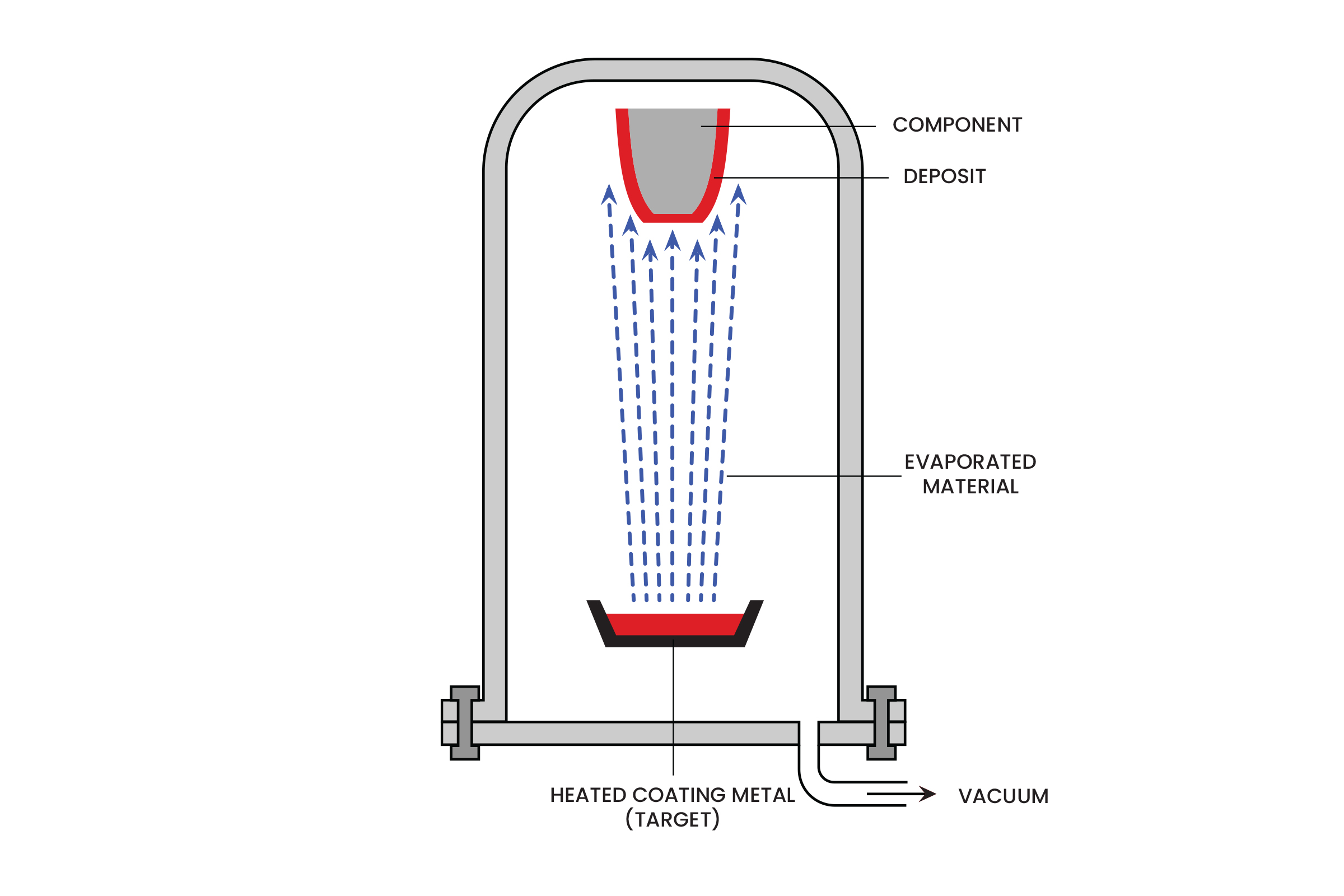
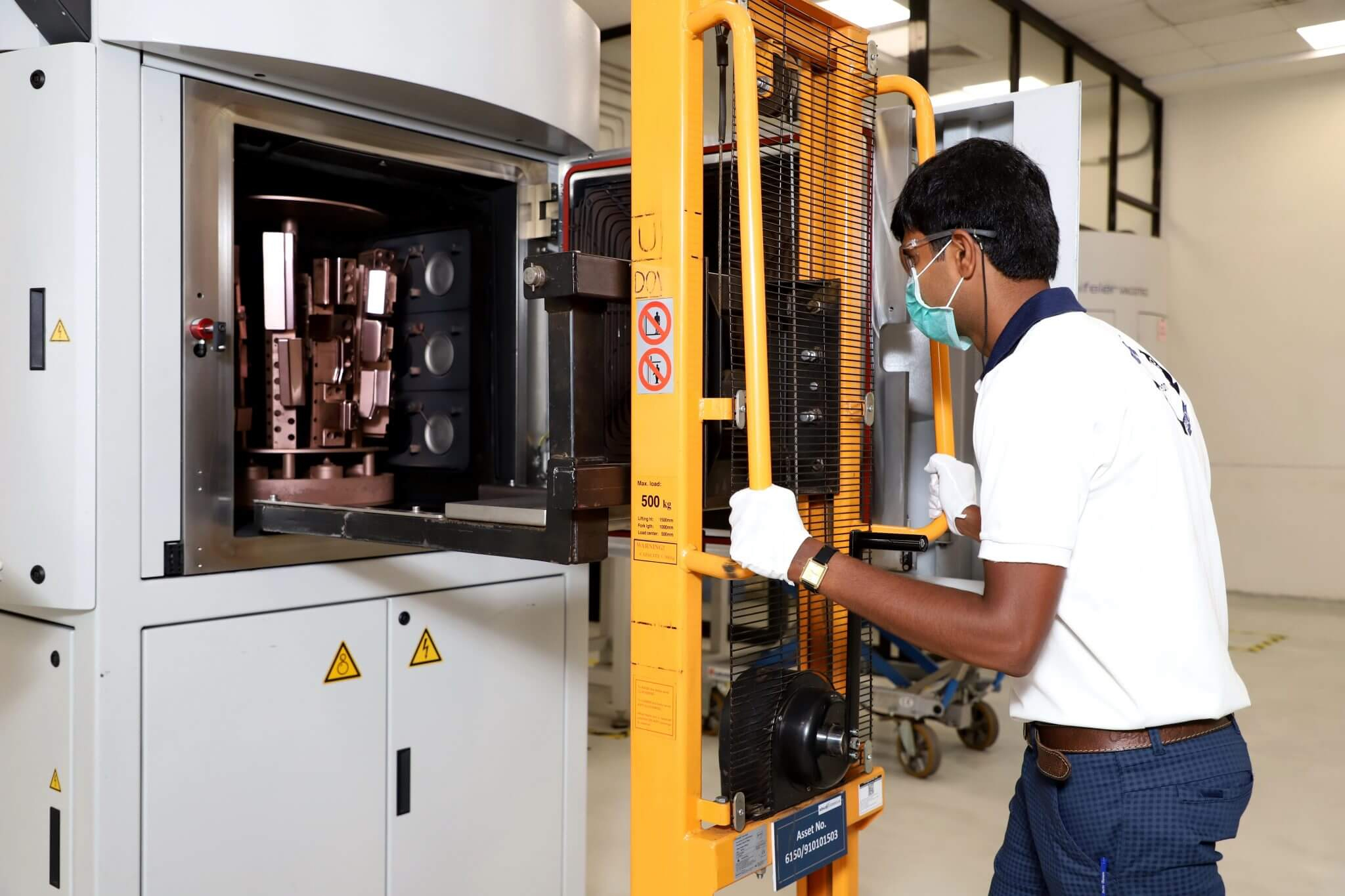
PVD-coloured stainless steel is produced without the use of chemicals. The process takes place in a vacuum chamber, using either heat-based arc evaporation or ion bombardment, known as sputtering. A reactive gas interacts with the metal vapour to form a compound, which is then deposited onto the surface of the item.
-
Are there any waste products in the making of PVD coloured stainless steel?
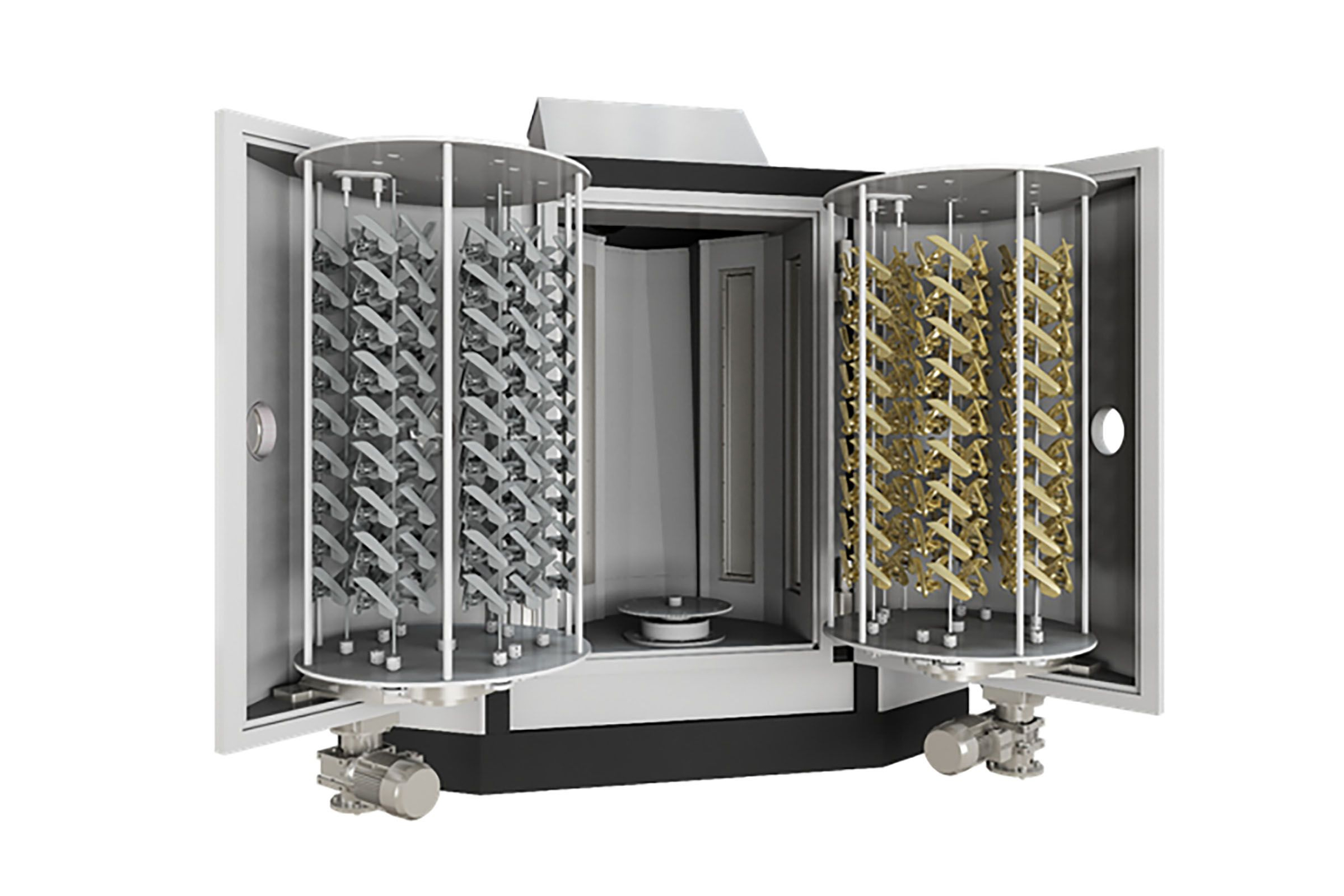
The PVD colouring process on stainless steel does not produce any waste products. There is some waste produced during the cleaning and preparation as water, citric acid and cloths are used. The water is taken away via standard drains, i.e. it is not classed as commercial waste. If natural-fibre cloths are used to clean the…
-
Can PVD be used for worktops?
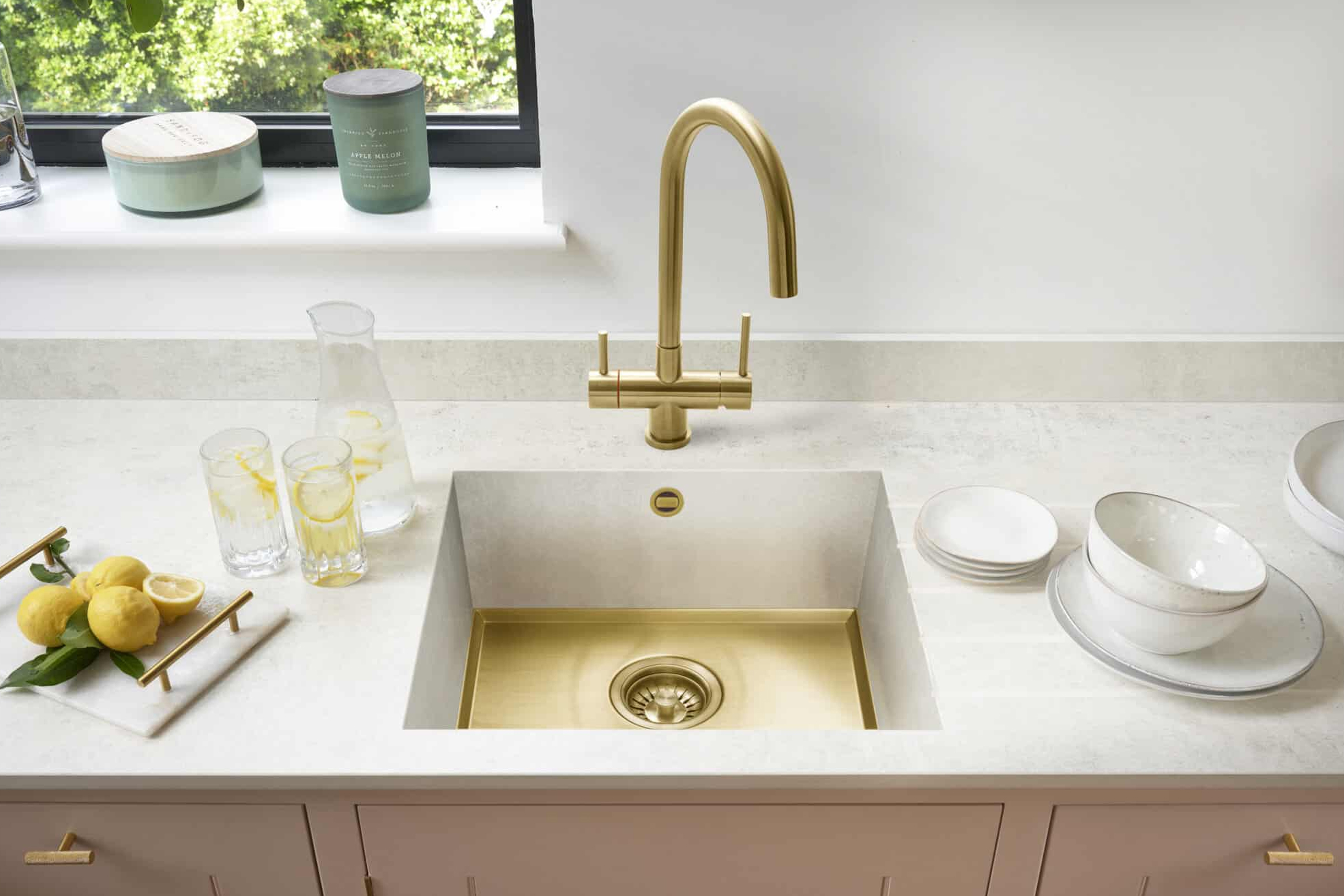
It is not recommended that PVD coloured stainless steel be used for a horizontal work surface where knives and sharp implements are likely to be used with a degree of pressure. Despite PVD’s scratch-resistant properties this type of usage could cause damage. However PVD stainless steel is suitable for sinks, taps, splashbacks, cupboard fronts and…
-
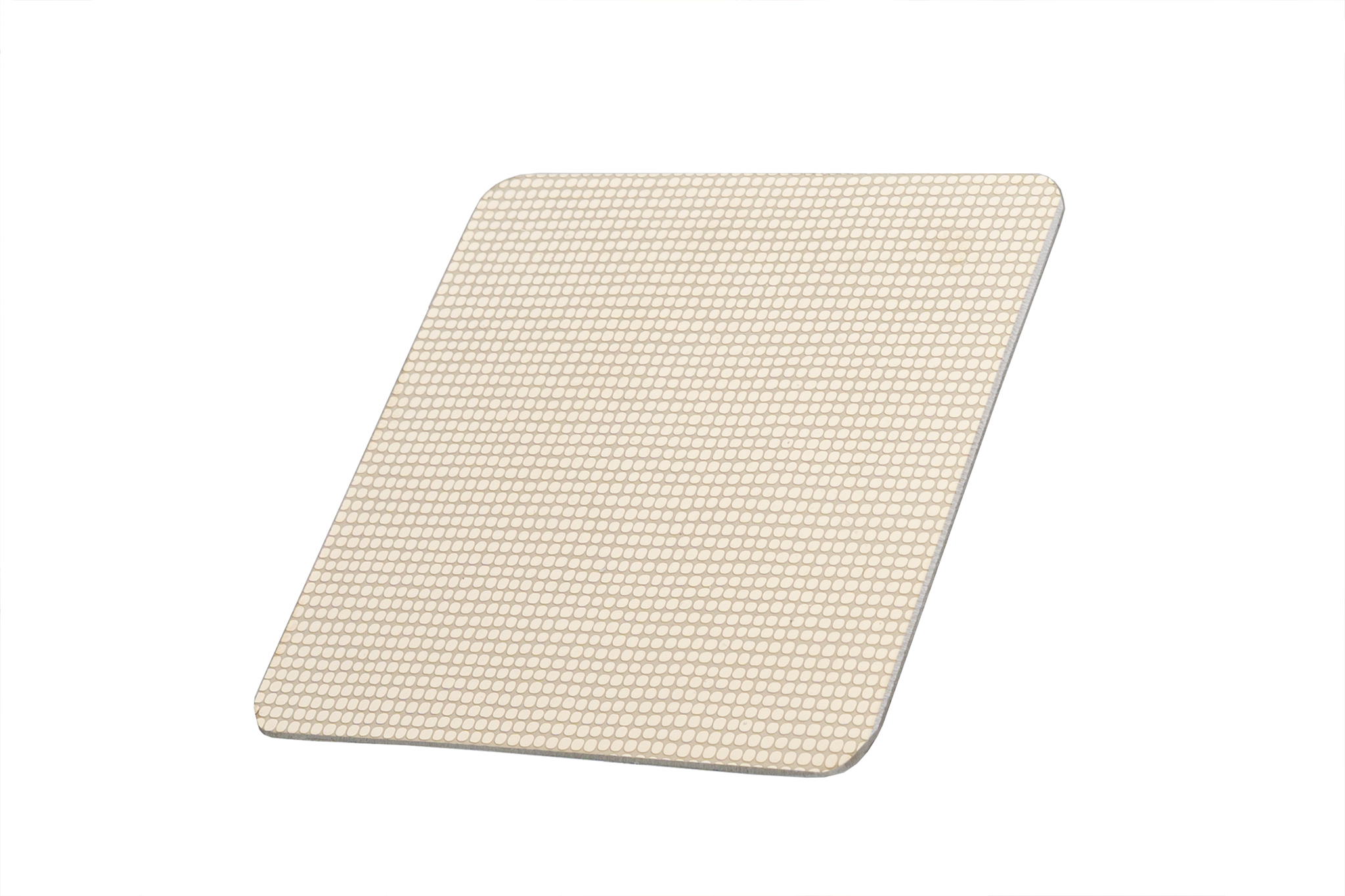
Can textured or embossed stainless steel be PVD coated?
Yes, the standard textures of stainless steel such as Hairline, Brushed and Sandblasted are all able to be PVD coated as well as embossed patterns in greater relief.
-
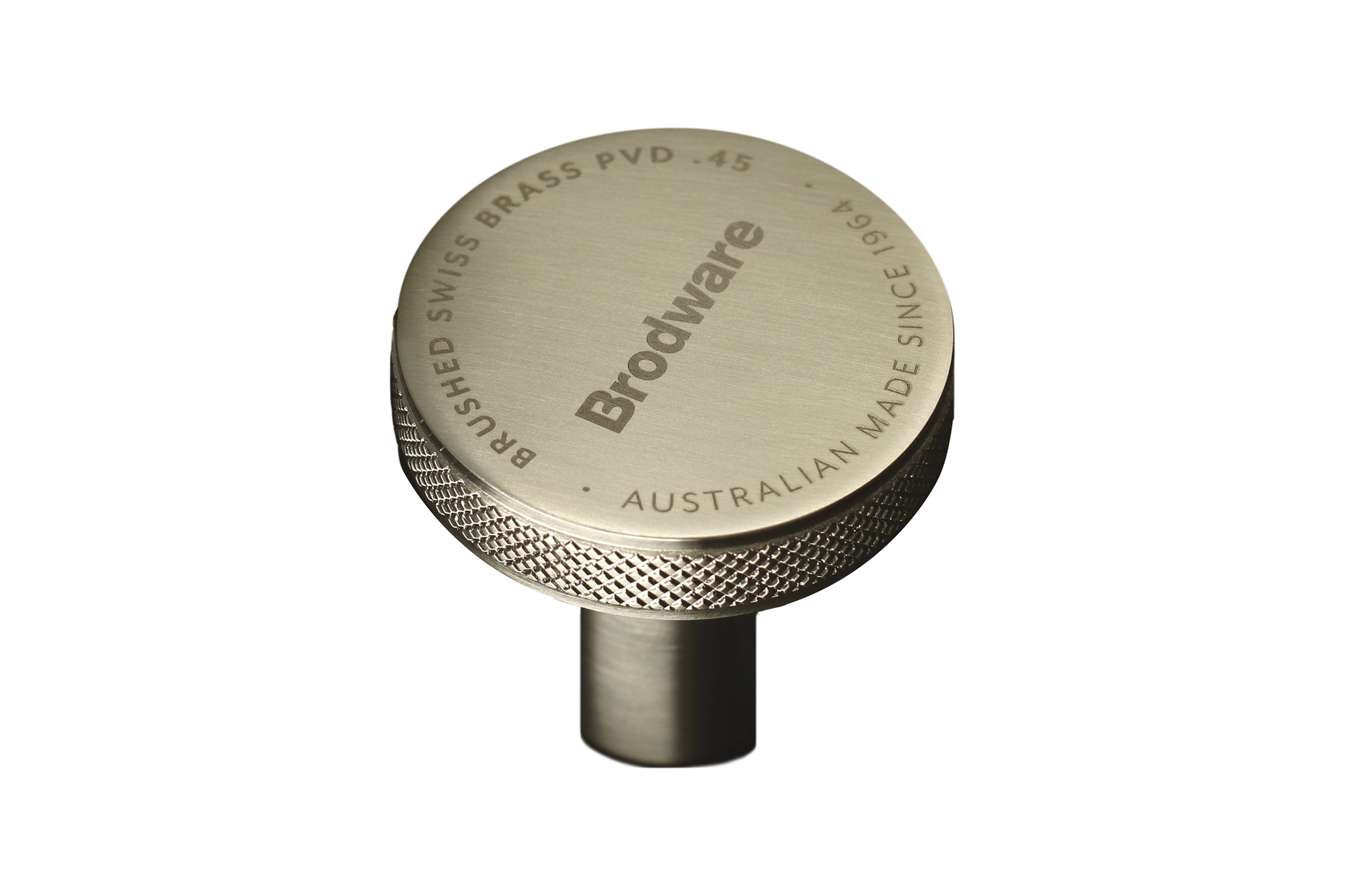
Does PVD conceal defects in the stainless steel?
No, therefore, it is essential that the stainless steel substrate undergoes rigorous quality inspection to ensure it is entirely free of defects and meticulously cleaned prior to PVD colouring. The PVD coating, which ranges from 0.35 to 5 microns in thickness, forms a robust molecular bond with the stainless steel, enhancing its surface hardness. Due…
-
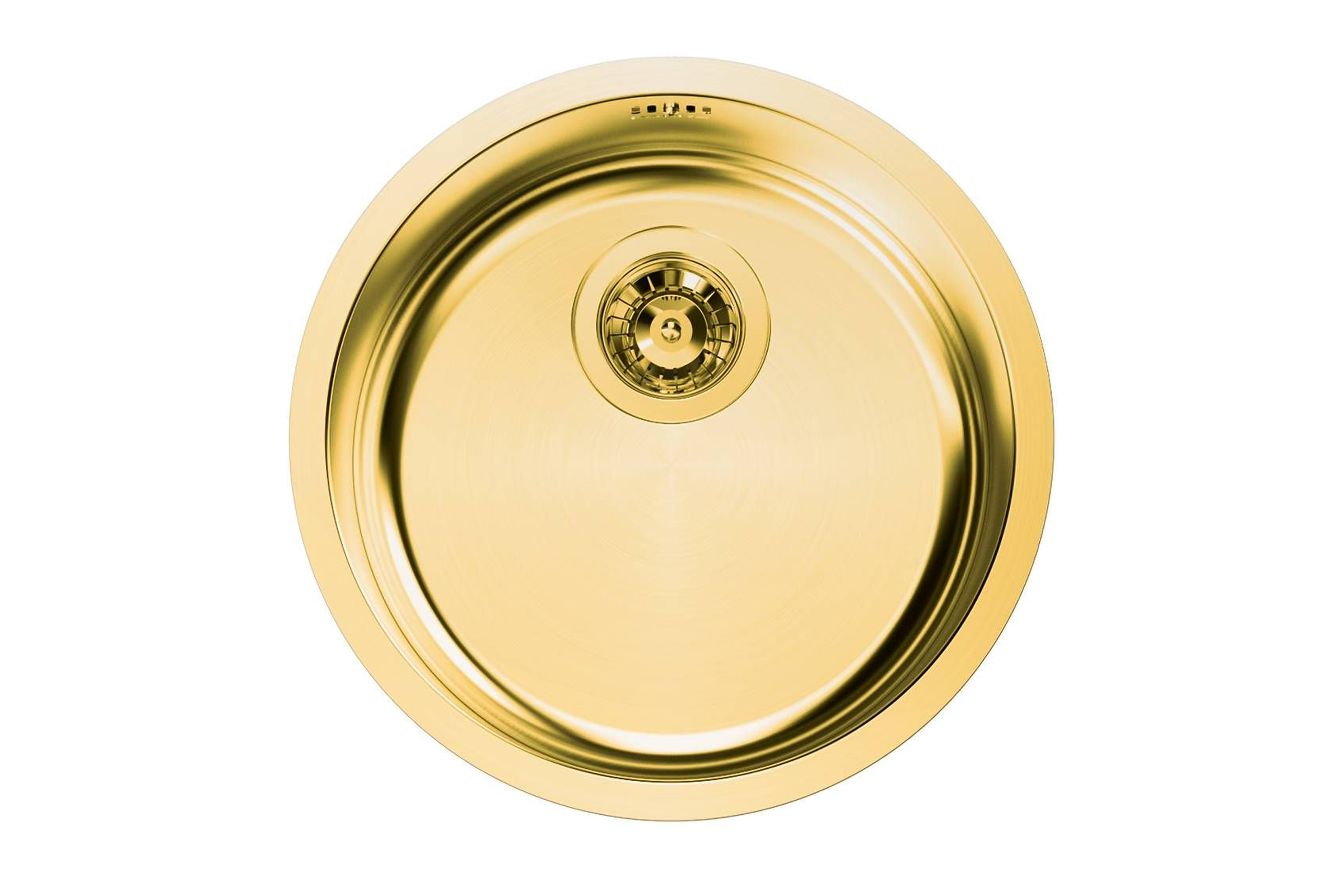
Does PVD make stainless steel harder?
PVD coloured stainless steel’s hardness is between 1500 and 4500 HV (Vickers Hardness) whilst stainless steel, uncoated, is between 150 and 250 HV. So the PVD process greatly increases the hardness of the stainless steel giving it greater wear and corrosion resistance. PVD colouring does not however increase the tensile strength of stainless steel.
-
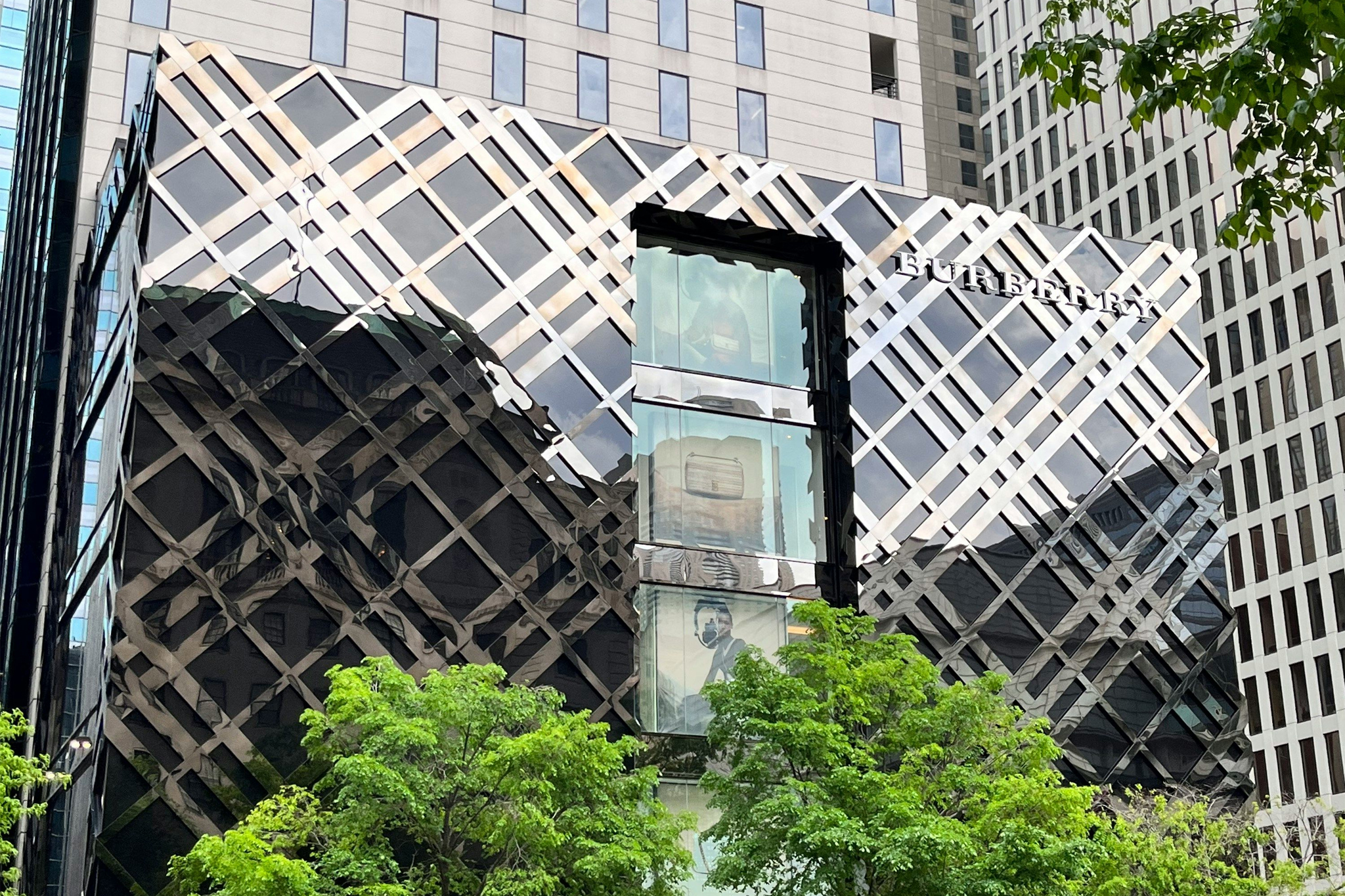
Does PVD stainless steel tarnish?
PVD coated stainless steel does not tarnish. It offers a stable and enduring alternative to popular metals and alloys such as brass, gold, copper, and bronze which are prone to tarnishing in both interior and exterior environments. As a result, PVD requires no polishing – only being wiped with a damp cloth to preserve its…
-
How hard is PVD coloured stainless steel? How is it tested?
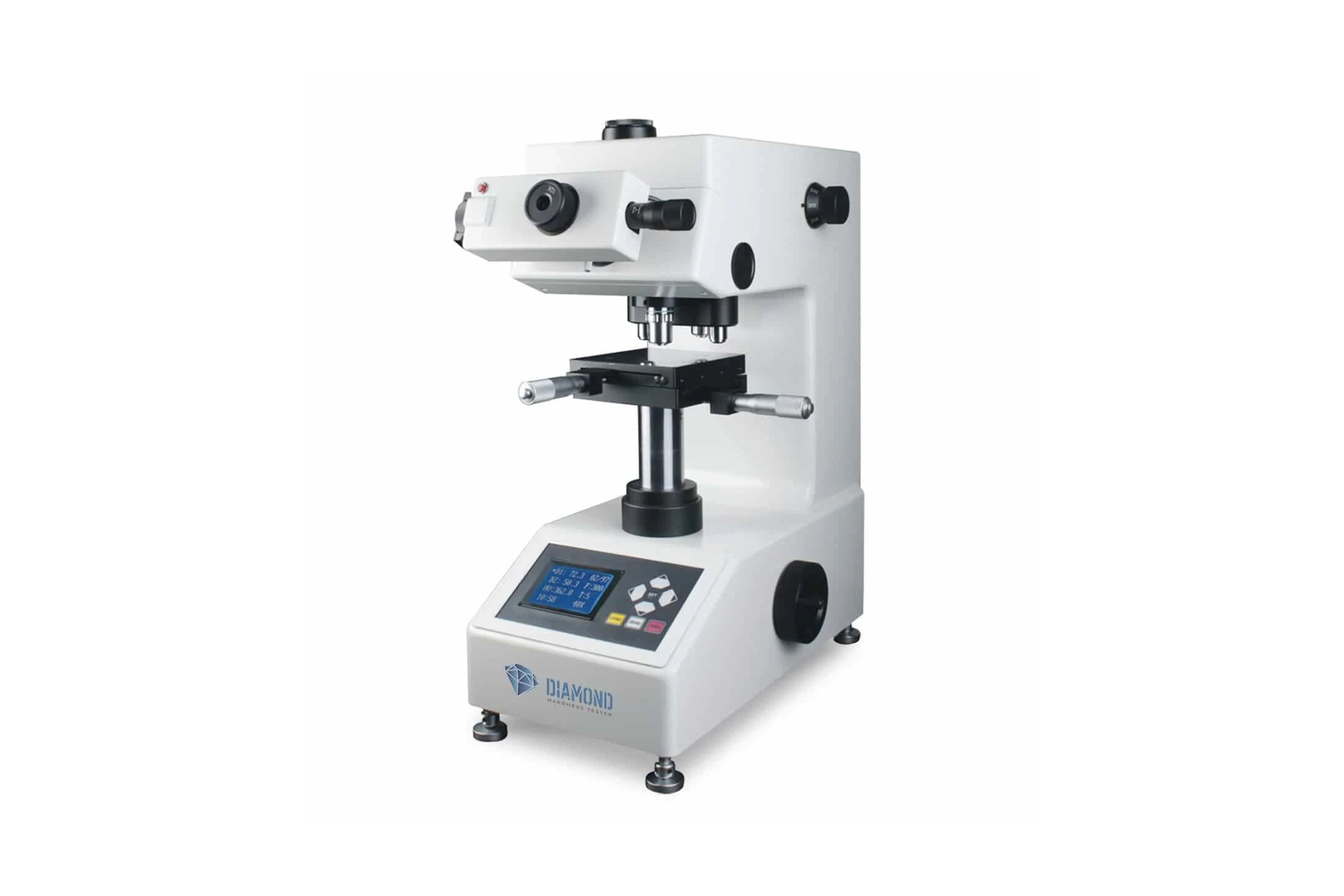
PVD coloured stainless steel’s hardness is between 1500 and 4500 HV (Vickers Hardness). The testing is carried out using a hardness testing machine which presses a pyramidal diamond indenter onto the material being tested. The HV measurement will vary depending on the thickness of the PVD applied, measured in microns.
-
How is PVD coloured stainless steel cleaned?
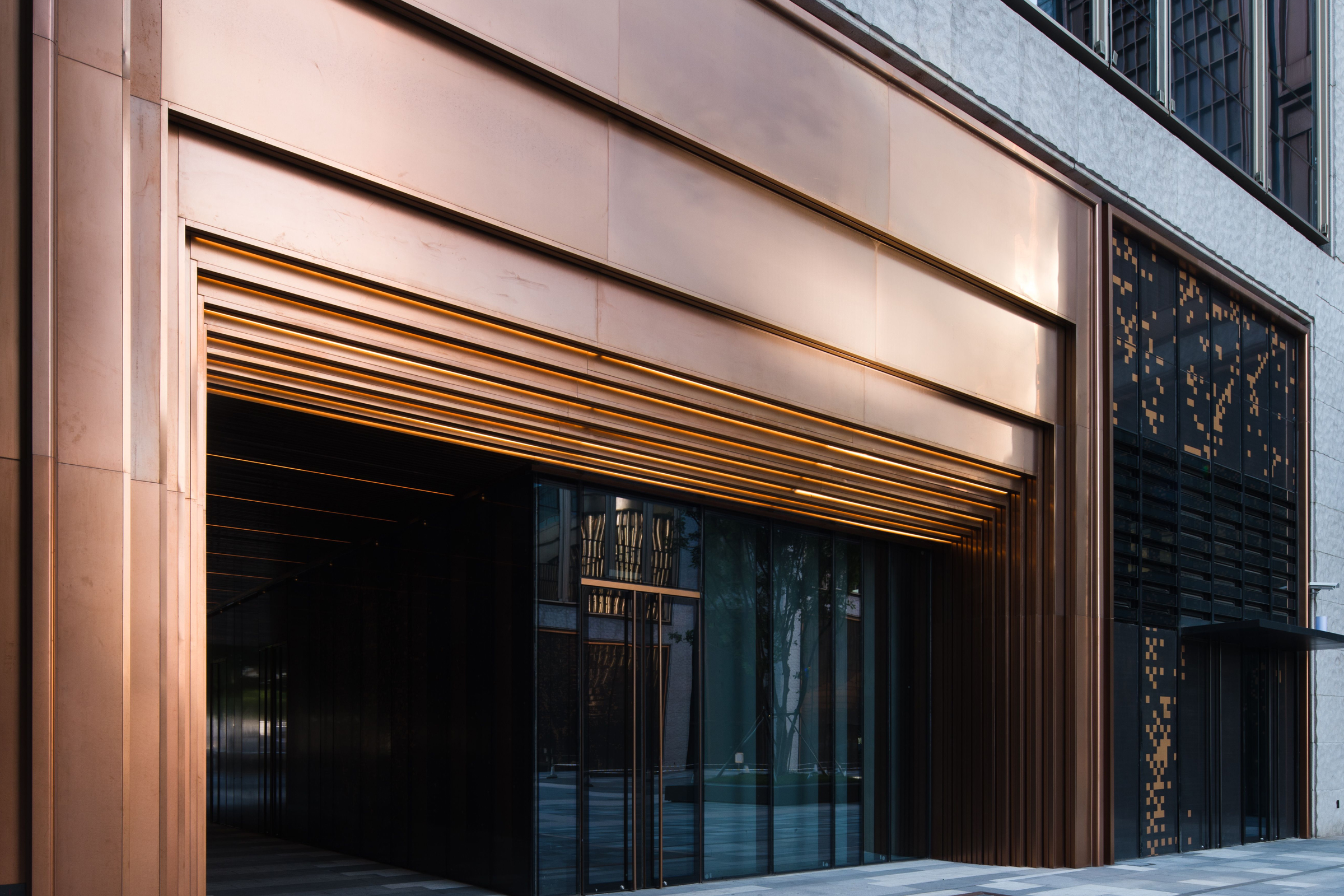
PVD coloured stainless steel does not require any specialist cleaning and, when used on buildings’ exteriors, can be cleaned by the regular window-cleaners as part of their usual routine. Water, a soft cloth and a mild soap is all that is required for cleaning exterior and interior installations.
-
How is PVD coloured stainless steel prepared?
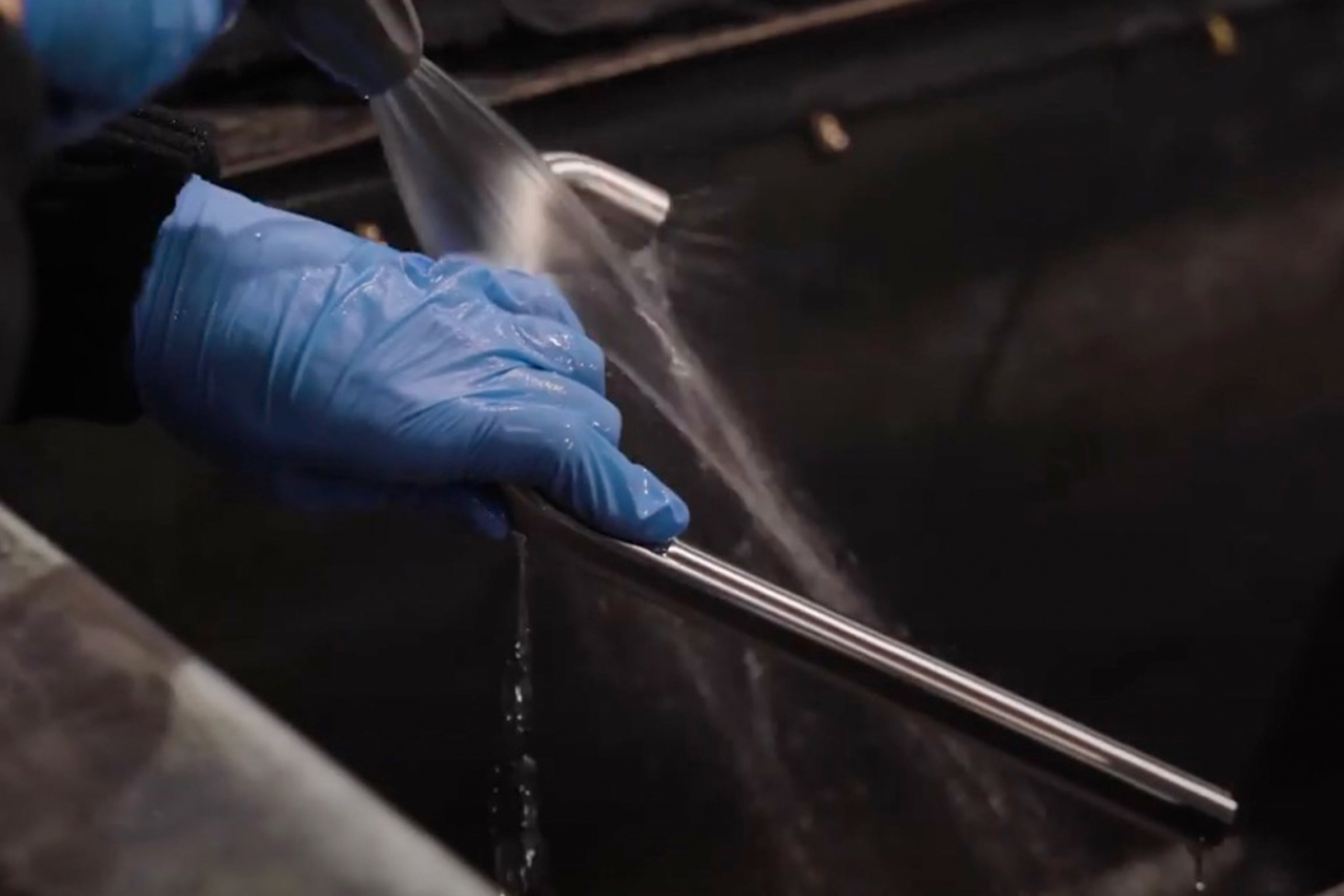
Stainless steel requires to be thoroughly cleaned prior to being PVD coloured. This is done with citric acid, water and soft cloths. It is critical that the stainless steel sheet or products are free from contaminants as if these are present they will affect the quality of the PVD coating’s adhesion.
-
How is the colour achieved with PVD stainless steel?
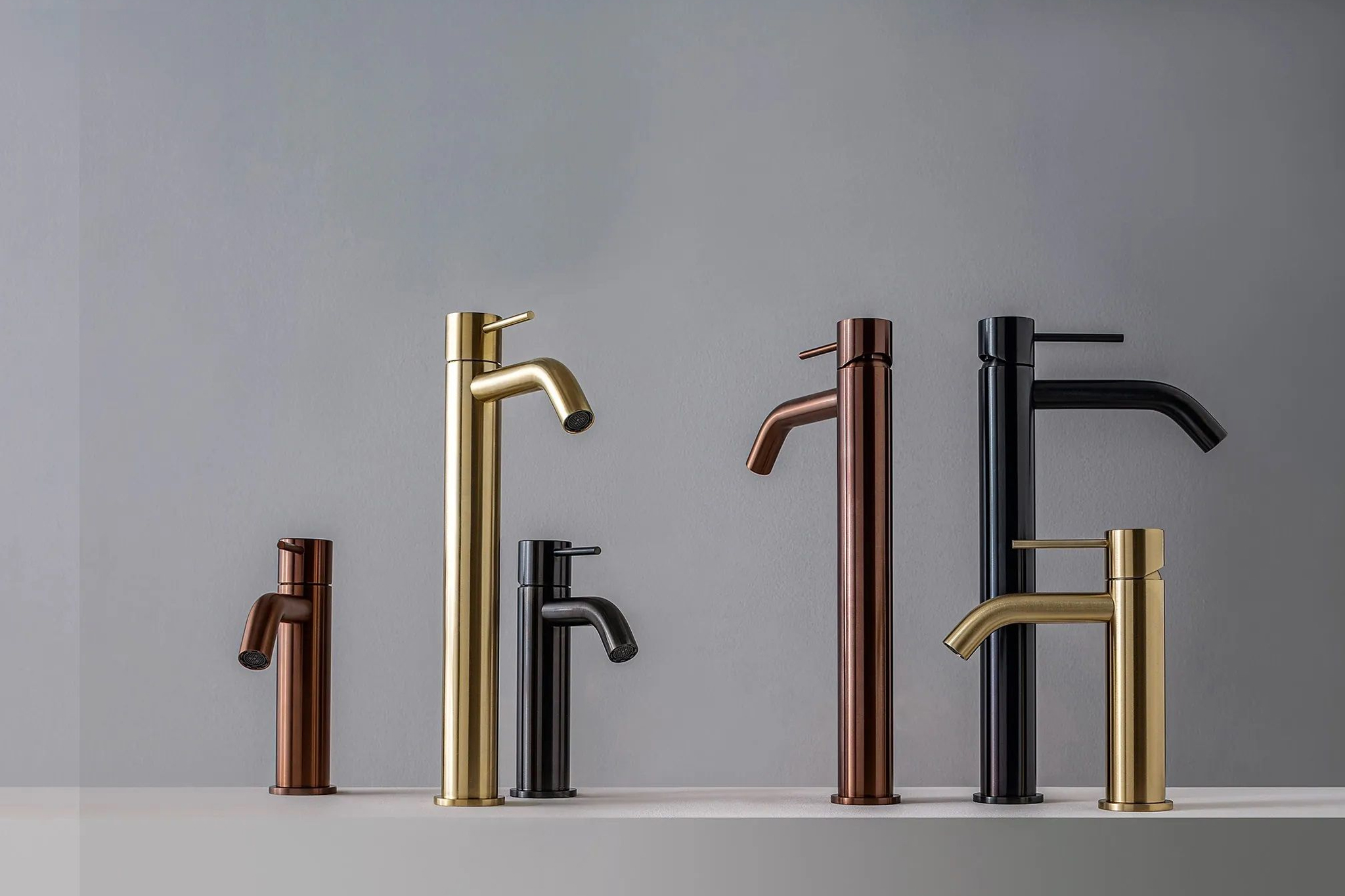
Adjusting the composition of the gases used, which may be Argon, Oxygen, Nitrogen and Methane for example, as well as exposure time and temperature will produce different colours of PVD coating. The different colours of PVD finish have varying levels of hardness making them suitable for different applications.
-
Is PVD coloured stainless steel sustainable?
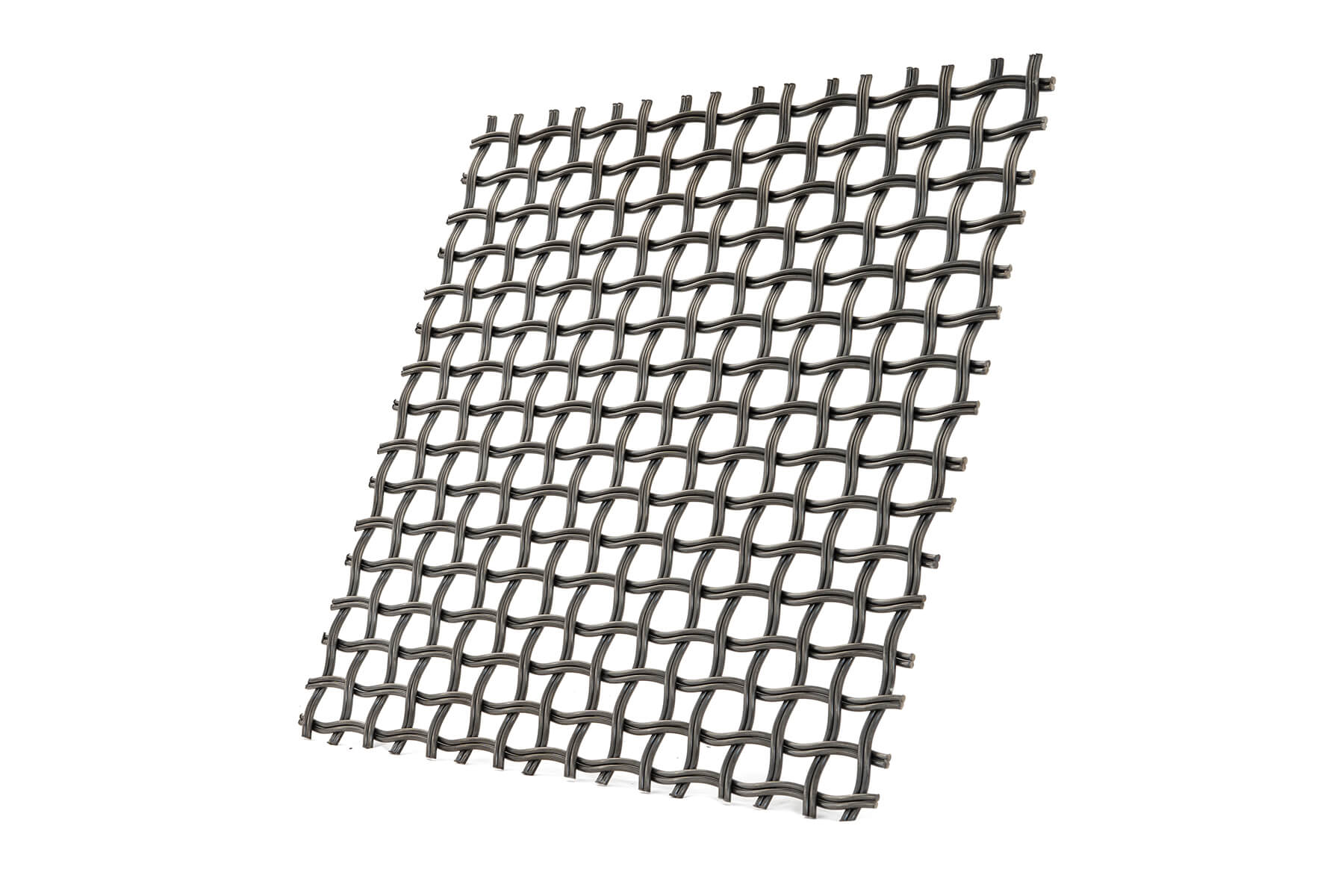
Stainless steel is fully recyclable, with 100% of it being recyclable and approximately 95% being recycled at the end of its life as an item. The application of PVD coating does not interfere with this process, PVD coated stainless steel can still be recycled through standard methods. On average, new stainless steel products contain around…
-
Is PVD foodsafe?
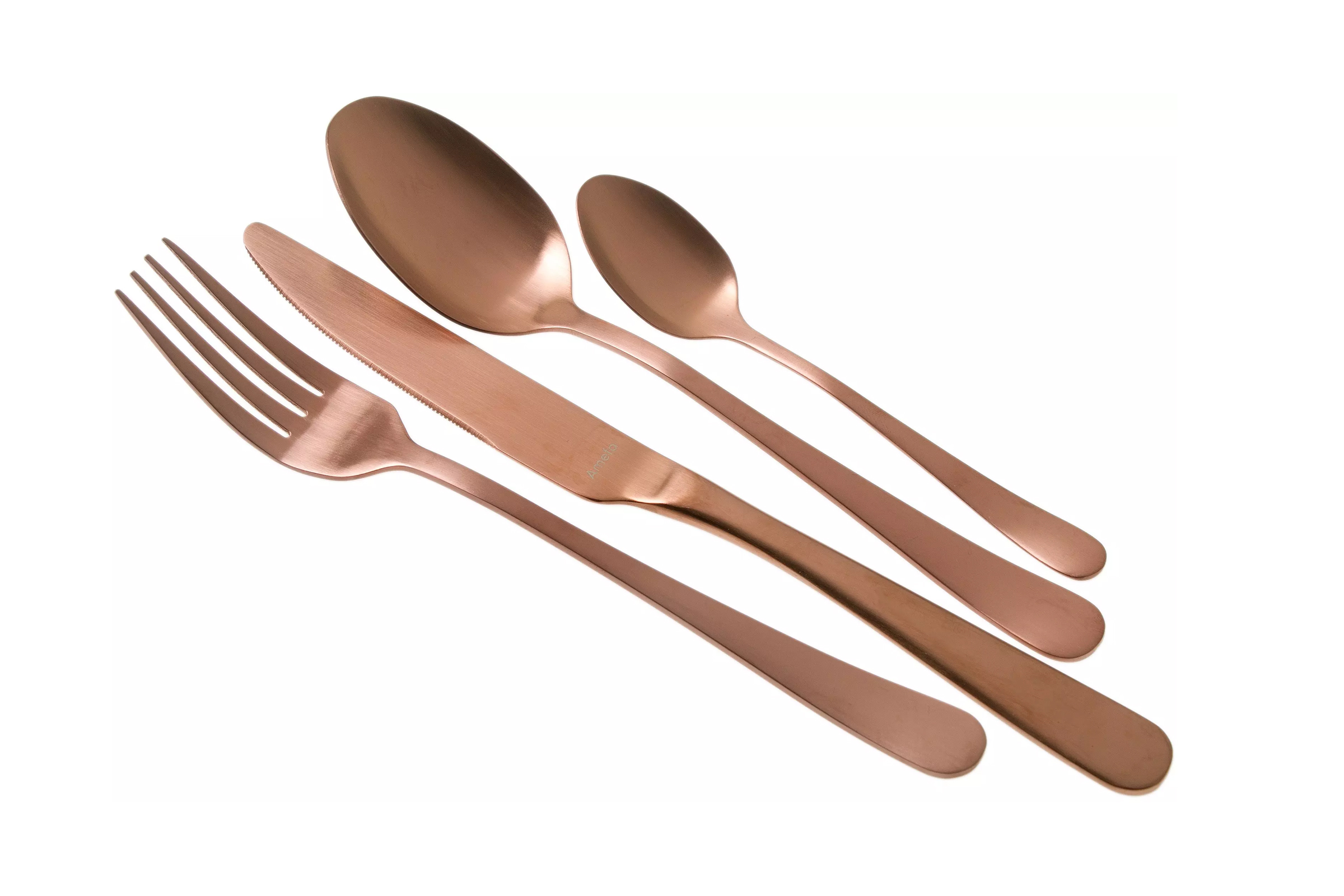
PVD coloured stainless steel is safe for use where it comes into contact with food and is used for food containers and cutlery. However certification will be required from the manufacturer that is relevant to their product and country’s standards.
-
Is PVD really scratch-resistant?
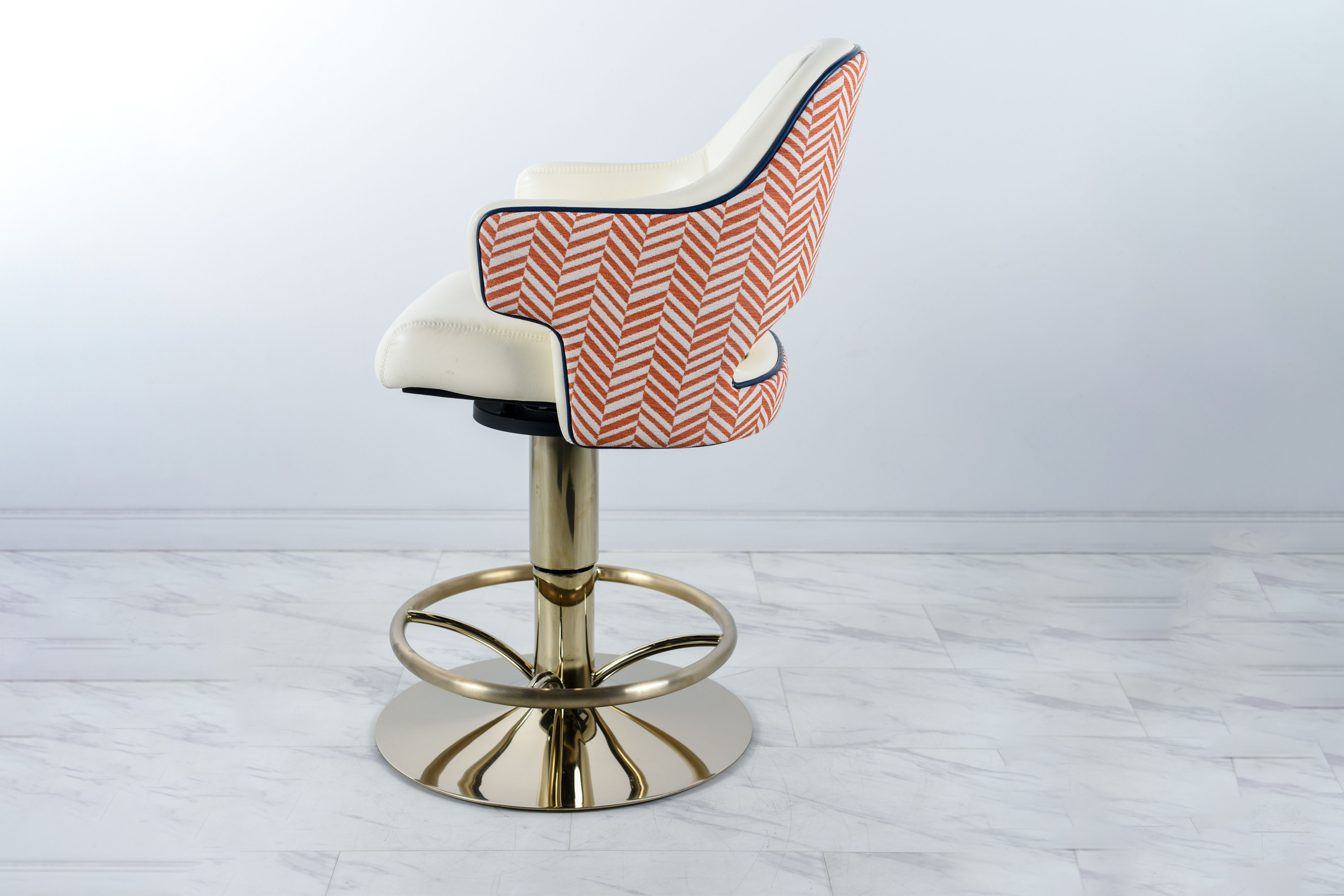
PVD coloured stainless steel is scratch-resistant but not vandal-proof and is likely to be damaged if sharp implements are used on it with force. Its hardness will also depend on the thickness, measured in microns, of the PVD applied.
-
Is PVD safe for the workers applying it?
Is PVD safe for the workers applying it? As PVD coating of stainless steel does not rely on toxic chemicals, it presents a safer alternative to many traditional coating methods in terms of operator exposure. However, the process involves the use of gases which if allowed to build up, can pose an explosion risk if…
-
What colours does PVD coloured stainless steel come in?
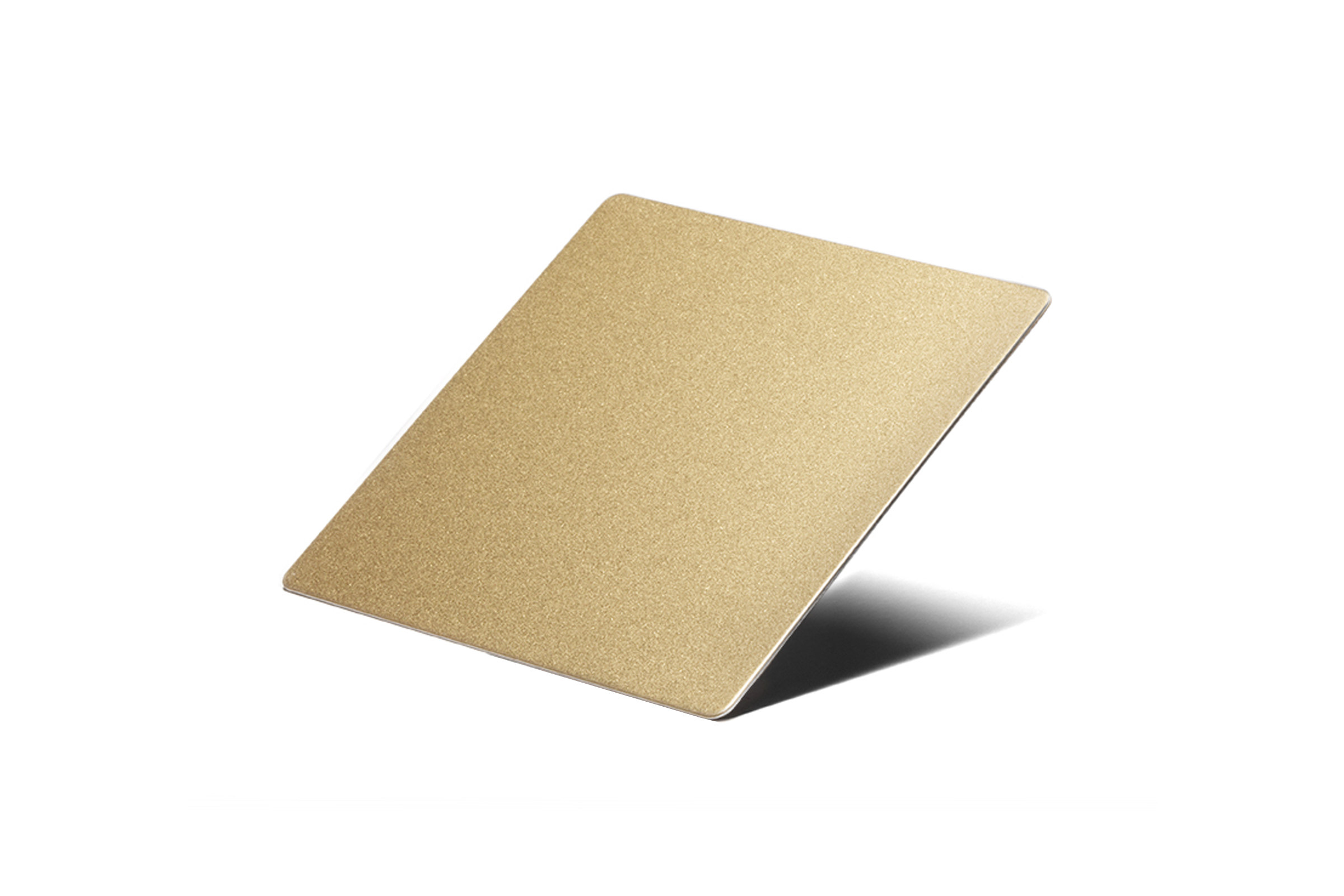
The naming of PVD stainless steel colours will vary according to the different manufacturers however colours frequently specified by architects and interior designers are Brass, Copper, Gunmetal, Black, Rose Gold and Almond Gold. PVD colours that are popular are those that replicate more expensive metals and alloys such as Brass and Gold.
-
What grades of stainless steel can be PVD coated?
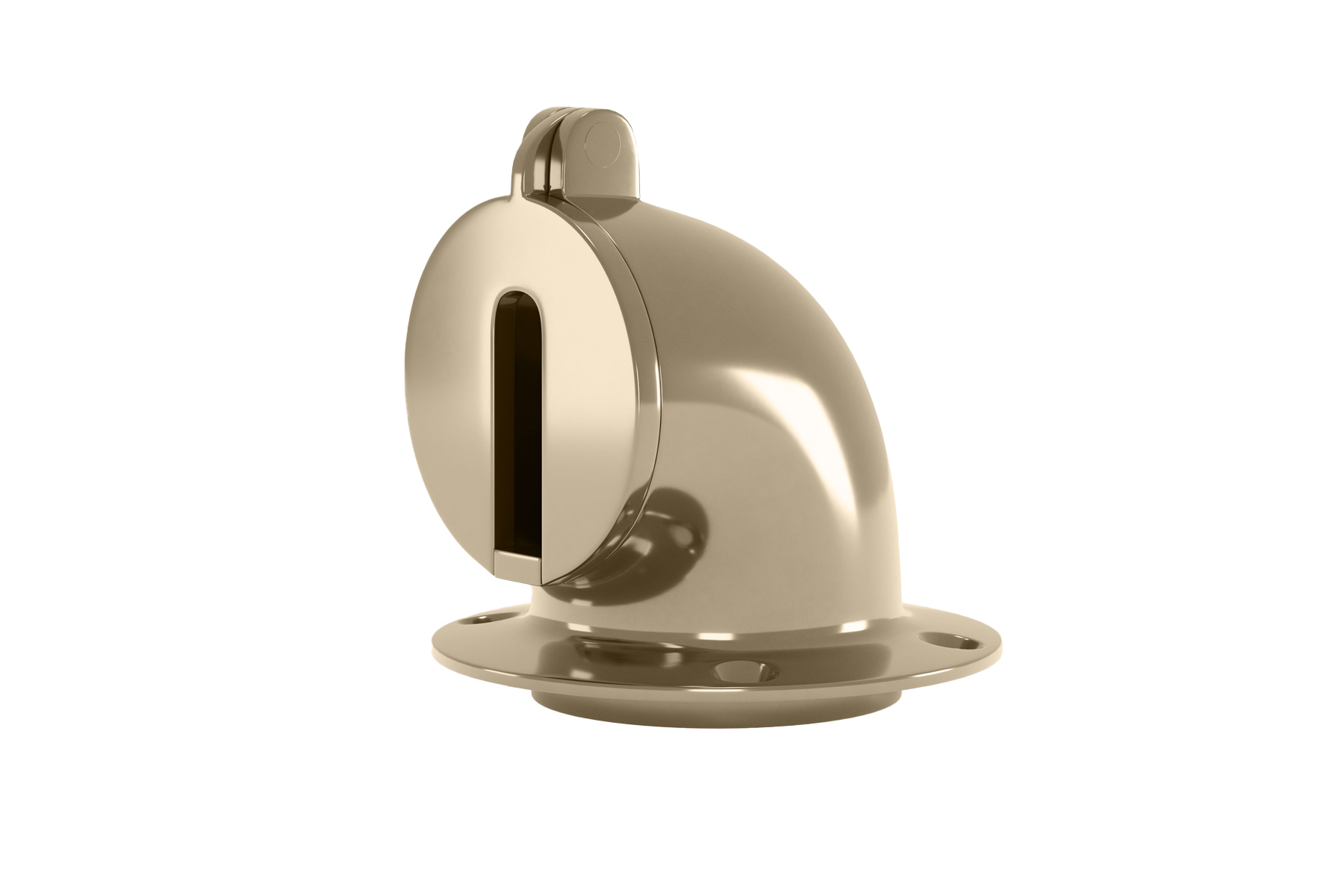
The most commonly used stainless steel grades for PVD coating are 304 and 316 – the latter often referred to as Marine Grade due to its superior corrosion resistance.
-
What is the largest item that can be coloured with PVD?
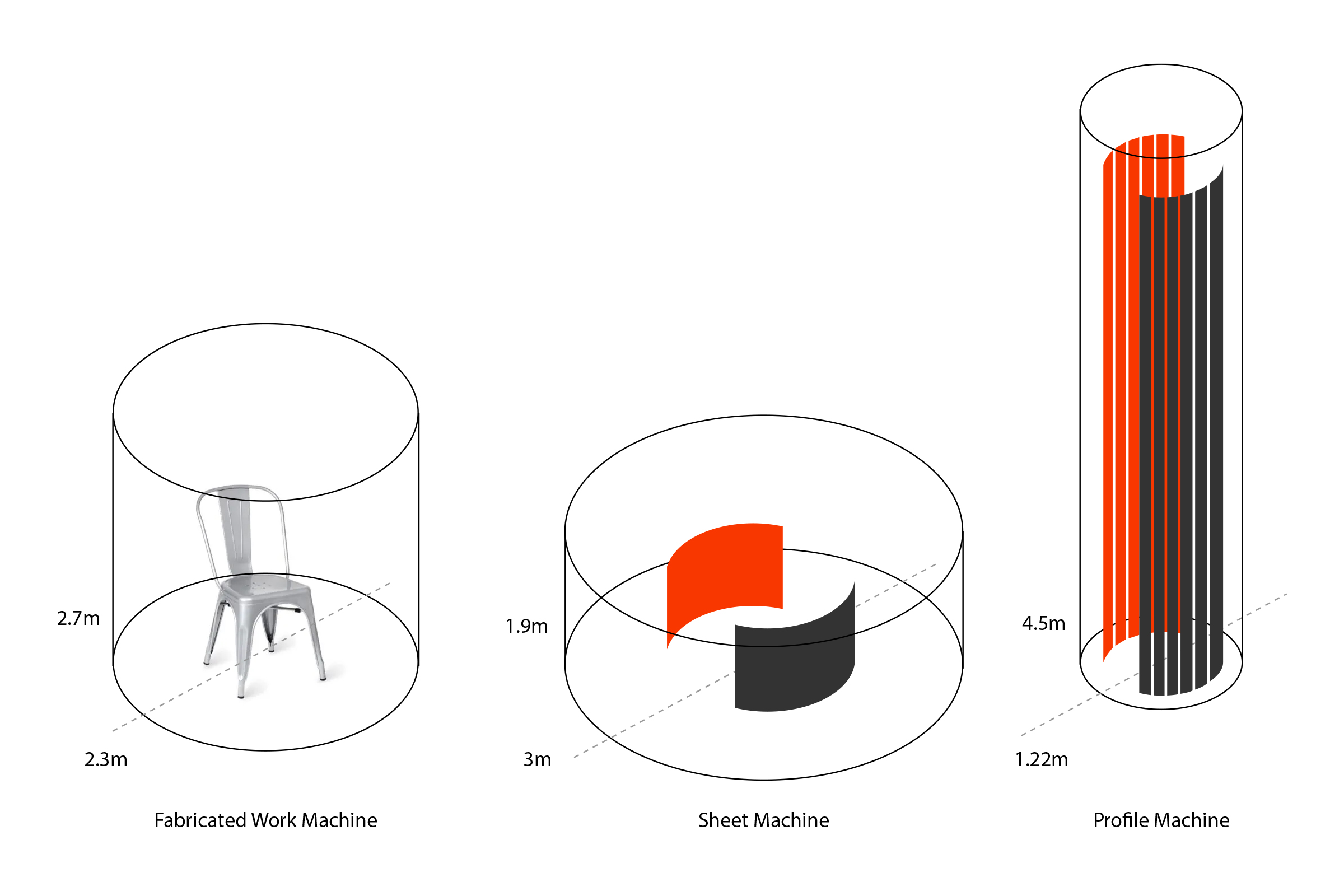
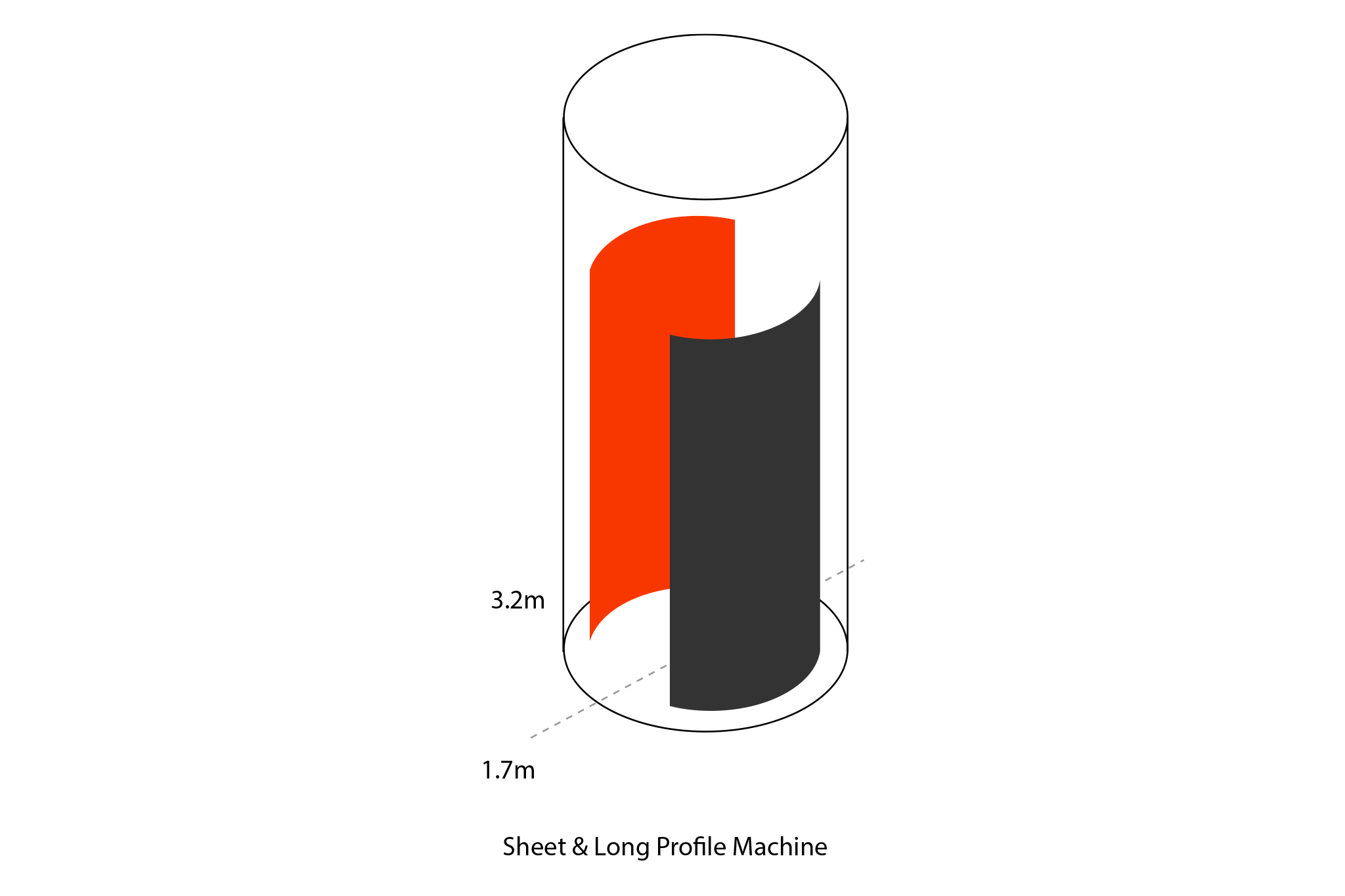
Items coloured using the physical vapour deposition process are limited in size by the machine, or vacuum chamber, available. In Europe generally the largest item that can be coloured is stainless steel sheet 1.5 by 3 metres. However in China and India PVD machines operate that can handle items up to 2.1 by 4.6 metres.
-
What products can be made from PVD coloured stainless steel?
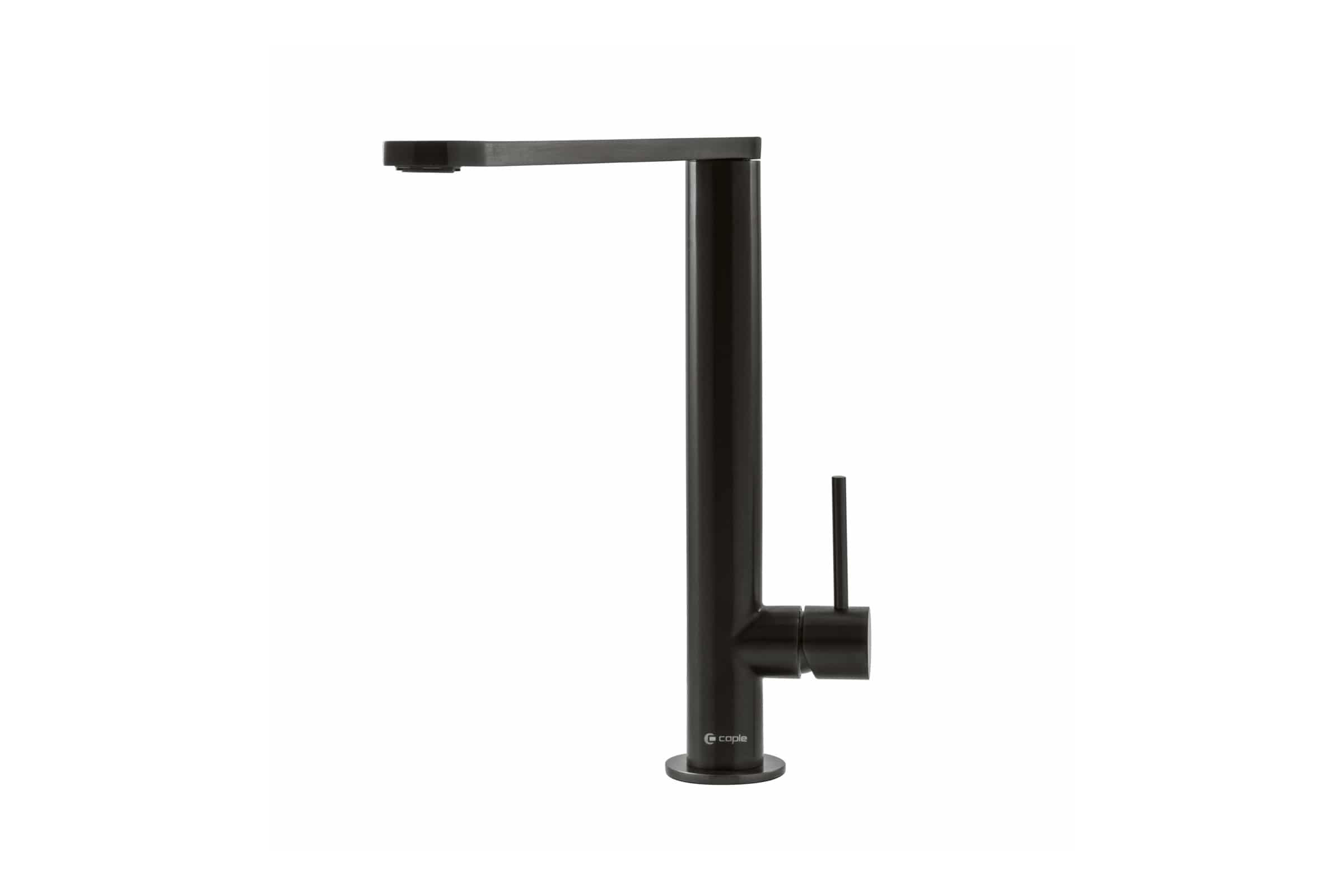
Larger items will be fabricated from PVD coloured stainless steel sheet which is cut and formed, often using V-Grooving and folding, to create, for example, architraves, exterior cladding and splashbacks. Smaller items, such as taps and door handles, will be first manufactured in stainless steel and then coloured through the PVD process.
-
What sizes of stainless steel items can be PVD coloured in the UK?
In the UK there are several companies that produce PVD coloured stainless steel sheet or that colour, using the PVD process, stainless steel components, fittings and accessories.